
Windows 11 version 24H2 may block devices without SSE 4.2 support
Windows 11 version 24H2 may block devices without SSE 4.2 support
Recent Windows 11 development builds include new hardware compatibility rules that block the operating system on unsupported devices. Unlike current compatibility requirements, these new requirements cannot be bypassed.
Microsoft released a new build of Windows 11 about two weeks ago that blocked installation of Windows 11 version 24H2 on older processors. Processors affected by this were those without support for POPCNT instructions.
Windows 11 would not install nor upgrade on affected devices. Now it turns out that Microsoft has added another rule to the system requirements of its upcoming version of Windows 11 that cannot be bypassed.
Windows 11 won't install or upgrade to version 24H2 if the processor does not support SSE 4.2. This affects processors that are a decade old or older only.
While these were excluded by the official system requirements of Windows 11 from the moment the operating system launched, users could use bypasses to install Windows 11 on these devices nevertheless.
The release of Windows 11 version 24H2 may change that. Tests conducted with the latest versions and some aging PC systems confirm the following:
- Installation of Windows 11 version 23H2, the current stable version, works without issues. It is necessary to bypass hardware restrictions to install Windows 11 though. Windows 11 runs fine then.
- Installation of Windows 11 version 24H2 fails on systems without SSE 4.2 support.
- Upgrades from Windows 11 version 23H2 to Windows 11 version 24H2 also fail, if the processor does not support SSE 4.2.
Our colleagues over at Deskmodder have confirmed the behavior as well in tests.
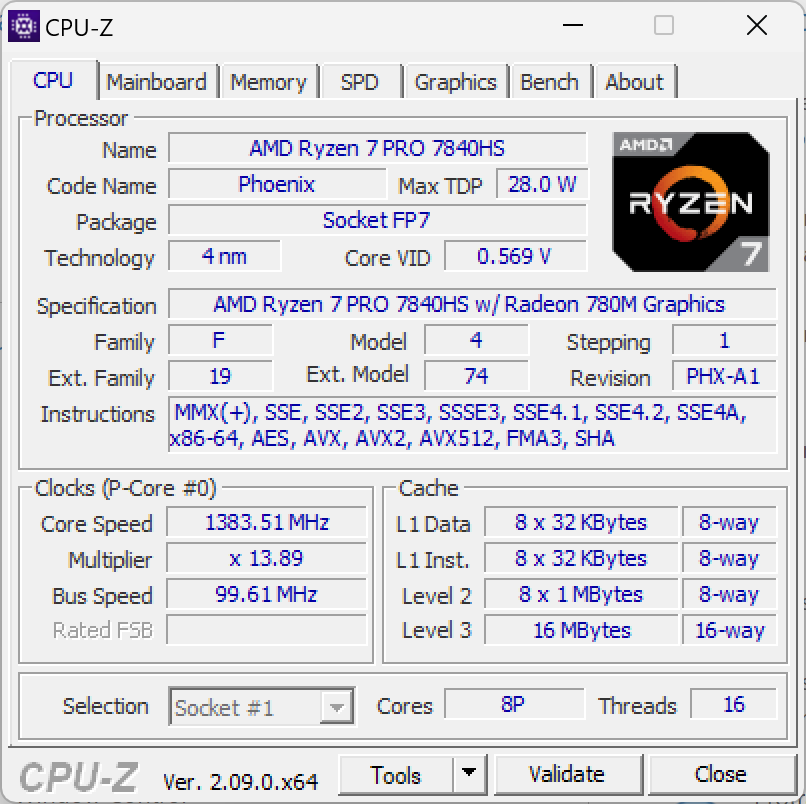
You may run GPU-Z to find out if the processor supports SSE 4.2 (which includes POPCNT). Check out our previous story on details on this.
What happens to affected devices?
It looks as if the new hardware requirements will take effect with the release of Windows 11 version 24H2. While it is too early to say if Microsoft will go ahead with the introduction of these new rules, it looks that way at this stage of development.
This leaves users with affected devices in a predicament. The last version that their devices support is Windows 11 version 23H2. An upgrade to Windows 11 version 24H2 is blocked, which means that they are stuck on the older version.
Support for Windows 11 version 23H2 runs out in October 2025. Cumulative updates will install fine up to this point, but it is game over afterwards, at least when it comes to Windows.
Users have two main options:
- Downgrade to Windows 10, subscribe to ESU and use the operating system for at least 3 years until 2028. Microsoft has not announced the price of the yearly subscription yet.
- Make the switch to Linux and use the device until it breaks.
Closing Words
Affected processors were never officially supported by Windows 11, but official bypasses allowed users to install the operating system on devices with these processors.
Microsoft did post a warning in the early days of Windows 11 stating that it could not guarantee that future versions of Windows 11 would install on incompatible devices. It appears that the day has come.
Now You: do your devices support SSE 4.2?
More like this
-
Apple releases macOS 14.2.1 Sonoma and iOS 17.2.1 updates
 Apple releases macOS 14.2.1 Sonoma and iOS 17.2.1 updatesRead more
 -
ChatGPT's macOS app was storing chats in plain text, but it has been patched
ChatGPT's macOS app was storing chats in plain text, but it has been patchedRead more
-
Apple announces iPhone 16, iPhone 16 Plus, iPhone 16 Pro and iPhone 16 Pro Max
Apple announces iPhone 16, iPhone 16 Plus, iPhone 16 Pro and iPhone 16 Pro MaxRead more
-
Windows 11’s Start Menu Just Got a Huge Upgrade for iPhone and Android Users
Windows 11’s Start Menu Just Got a Huge Upgrade for iPhone and Android UsersRead more
-
Nintendo Switch 2 tech specs officially revealed
Nintendo Switch 2 tech specs officially revealedRead more